I Rebuilt My Website in a Day Using AI
Last week, I did something I've been telling audiences to do for two years. I handed a complex, real-world project to an AI platform and got out of its way. The project? A complete redesign and rebuild of my own website, lakefishgroup.com.
The result was a fully redesigned, six-page site, live on a custom domain, with real testimonials, a working contact form, Google Analytics, Calendly booking integration, and SEO structured data, all done in under a day. Not a prototype. Not a mockup. The actual, published website you are reading this on right now.
I want to be honest about what that experience was like, because I think the honest version is more useful than the hype.
What I Actually Did (And What the AI Did)
I did not just type "build me a website" and walk away. What I did was have a conversation. I described my business, my audience, my goals, my brand personality, and the specific repositioning I wanted to make. I shared real assets: my headshot, my logo, actual testimonials from real clients, real statistics from my speaking engagements. I gave feedback on drafts. I asked for changes. I pushed back when something felt off-brand.
The AI handled everything else. It wrote the copy across all six pages. It chose a design direction and committed to it. It built the React components, wired up the contact form to send emails directly to my inbox, embedded my YouTube video, integrated Calendly for booking, added schema markup for search engines, and even submitted the pages to Google Search Console.
The division of labor looked like this: I provided direction, brand knowledge, and real content. The AI provided execution, technical skill, and speed.
The Part Nobody Talks About
Here is what surprised me most, and I say this as someone who has been using AI tools professionally for years. The quality of the output was directly proportional to the quality of my input. When I gave vague direction, I got generic results. When I was specific, specific about tone, about what I did not want, about which real client names to use and which to leave out, the output was genuinely good.
This is the insight I keep coming back to in my workshops: AI does not replace your expertise. It amplifies it. The people who get the most out of these tools are not the ones who know the most about technology. They are the ones who know the most about their own business, their customers, and what they are actually trying to accomplish.
A junior marketer who understands their brand deeply will outperform a senior developer who is vague about goals. Every time.
What This Means for Your Business
I am not suggesting everyone should rebuild their website this way. What I am suggesting is that the category of work you think requires a specialist, a developer, a designer, a copywriter, a strategist, is shrinking faster than most people realize.
That does not mean those specialists are going away. It means the bar for what you can accomplish without one has risen dramatically. And the businesses that understand this are going to move faster, test more ideas, and spend their specialist budget on the things that actually require deep human expertise.
I rebuilt my website in a day. A year ago, that would have taken four to six weeks and a five-figure budget. The work that used to require a full agency engagement is now something I can iterate on in an afternoon.
The Tools I Talk About in My Workshops
The AI platform I used for this project is exactly the kind of tool I demonstrate in my keynotes and workshops. Not because it is flashy or futuristic, but because it is practical and available right now. You do not need to be technical to use it. You need to be clear about what you want and willing to iterate.
In my sessions, I walk teams through tools like this in real time. We do not talk about AI in the abstract. We open the tools, we run real prompts, we look at real outputs, and we talk about where human judgment still matters most. The goal is always the same: leave with something you can actually use tomorrow morning.
That is what happened with my website. And honestly, it is what keeps me excited about this work.
The Honest Takeaway
AI did not do this for me. AI did this with me. I still made every meaningful decision: the positioning, the tone, the content strategy, which testimonials to feature, what the calls to action should say. The AI executed those decisions faster and more completely than any team I could have assembled in a day.
If you are a business leader who is still watching AI from the sidelines, I want to gently suggest that the sidelines are getting smaller. The question is no longer whether these tools are ready. The question is whether you are ready to use them well.
Want to see these tools in action?
Jon brings this kind of hands-on, practical AI demonstration to keynotes and workshops across North America and is available for events worldwide. If your team is ready to move from curious to capable, let's talk.
Book a 30-Minute Call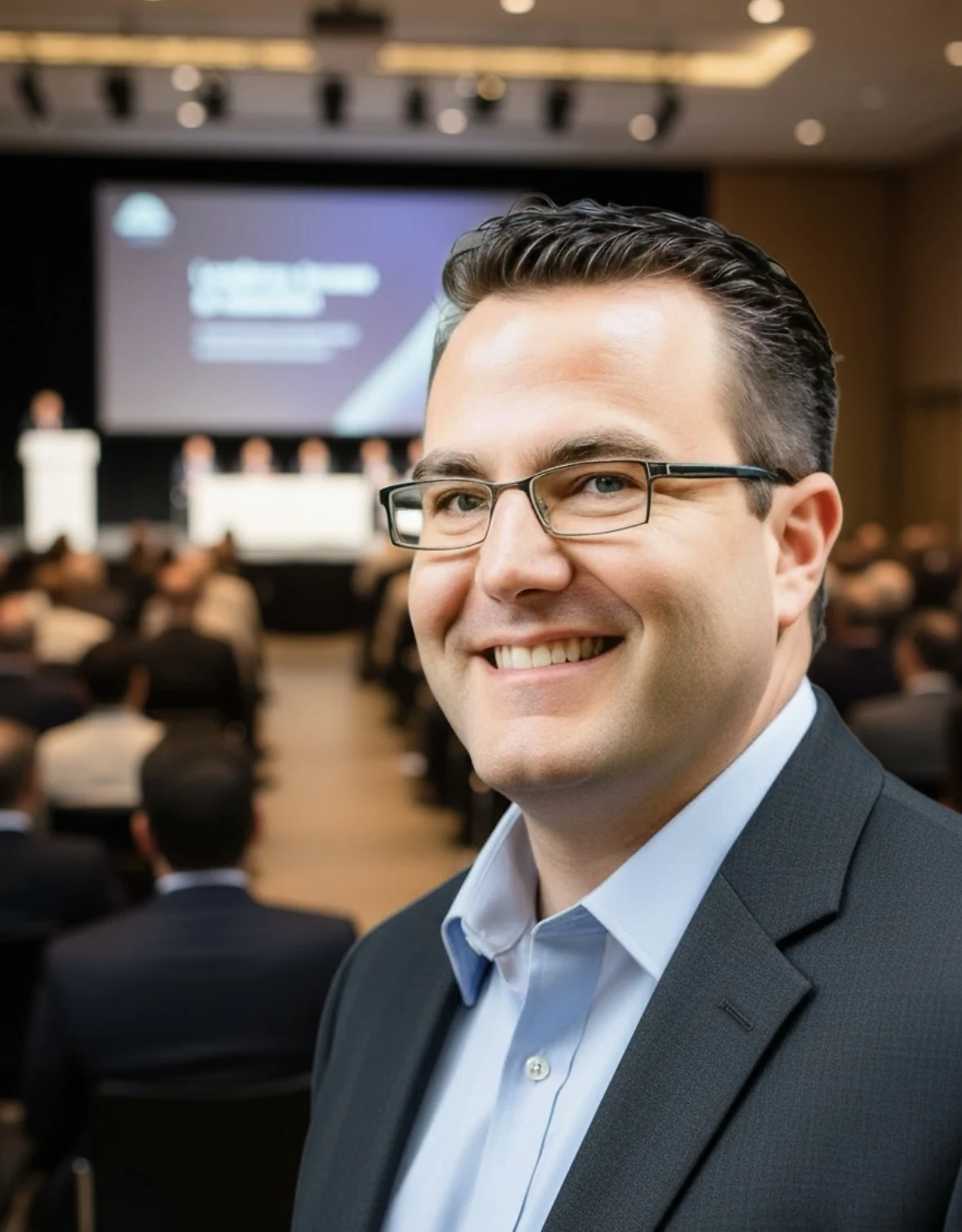
Jon Lakefish
Jon Lakefish is an AI keynote speaker and workshop facilitator. He has delivered 150+ engagements across North America and helps leaders and teams turn AI into practical, immediately useful work.
Get practical AI updates by email
Join Jon's monthly update for useful AI tools, real workshop lessons, and business ideas you can put to work right away.