What Is an AI Hot Seat Session? A Planner's Guide
The AI Hot Seat is one of the most talked-about conference formats in North America right now. Here is exactly what it is, how it works, what companies experience when they take the seat, and why conference organizers keep booking it.
The Format in Plain Terms
The AI Hot Seat is a two-hour interactive conference session where real companies from the audience take the stage and share a genuine business challenge, goal, or opportunity with the room. Jon Lakefish then uses leading AI platforms live to research the issue, develop a strategy, test ideas, and create usable business assets in real time.
Nothing is prewritten. There are no canned case studies. The audience sees the prompts, the decisions, the refinements, and the human judgment that turns AI output into something valuable. Every company that takes the seat leaves with new ideas, strategies, and tangible assets. Every attendee leaves understanding how the same tools and methods apply inside their own organization.
What Happens Before the Event
The Hot Seat works as well as it does because of what happens before anyone walks into the room. Jon researches every participating company: their industry, their customers, their competitors, their recent news, and the types of challenges their leadership teams typically face.
That preparation means the session moves fast. When a company takes the seat and shares their challenge, Jon is not starting from zero. He already knows the landscape. The AI tools can go deeper, faster, and the audience gets to watch a genuinely sophisticated problem-solving process rather than a basic demonstration.
What a Hot Seat Challenge Looks Like in Practice
At BEMA 2026 in Hawaii, 300 leaders from the global baking equipment industry packed the room. Two companies took the Hot Seat.
Kwik Lok, a manufacturer of bag closures, used the session to develop an AI-powered strategy for transitioning customers toward sustainable bag closures. The session produced a full competitive landscape analysis, a customer transition framework, and a set of messaging strategies, all built live in front of the room.
Puratos, a global ingredients company, used the Hot Seat to create a B2B market-share campaign from scratch. By the end of the session, the room had watched a campaign positioning, a campaign name, an audio script, and a full campaign identity get built live. Puratos left with a working campaign brief they could hand to their marketing team the next morning.
The room gave the session a 9.83 out of 10 overall rating. 98.6 percent found it valuable. 100 percent found it engaging.
What Types of Challenges Work Best
The Hot Seat works for a wide range of business challenges. Some of the most common include developing a new product or growth strategy, building a B2B marketing campaign, evaluating market or regulatory threats, creating a pricing or customer retention plan, designing a new service or customer experience, and producing campaign names, messaging, visuals, audio, or other usable assets.
The format works particularly well when the challenge is specific enough to be interesting but broad enough that the whole room can follow along. A challenge that is too narrow becomes a private consulting session. A challenge that is too vague produces vague outputs. The best Hot Seat moments happen when a company brings a real, current problem that other companies in the room recognize from their own experience.
Why This Format Works for Conferences and Associations
Most conference sessions have one direction of information flow. The speaker presents, the audience listens. The Hot Seat reverses that. The audience provides the raw material and watches it get transformed in real time. That shift in dynamic changes how people pay attention.
For associations in particular, the format creates a shared experience that members talk about long after the event ends. The companies that took the seat become part of the story. The audience members who watched a challenge similar to their own get solved live leave with something they can apply immediately.
The Hot Seat is ideal for conferences, associations, peer advisory groups, leadership events, and any audience representing multiple companies or industries. If your audience is made up of people who want to see AI work on real problems, not just hear about it, this is the format.
How to Book the Hot Seat for Your Event
The AI Hot Seat requires a two-hour block, reliable high-speed Wi-Fi, a projector or large display with HDMI, and audio support if the room is large. Jon brings his own laptop and all the tools. There is no complicated technical setup and no lengthy rider.
Jon typically selects two to three companies to feature in each Hot Seat session, chosen in advance based on the diversity of challenges and industries represented. Participating companies are briefed before the event so they arrive ready to share their challenge clearly and quickly.
If you are planning a conference or leadership event and want to see whether the Hot Seat is the right fit for your audience, the For Event Planners page at LakefishGroup.com has verified feedback, session details, and a direct booking link.
Bring the Hot Seat to Your Next Event
The AI Hot Seat has been described as the most memorable session attendees have experienced at a conference. If you want your audience to leave with real strategies and assets built live in the room, reach out at Jon@LakefishGroup.com or visit LakefishGroup.com/for-event-planners.
Book a 30-Minute Call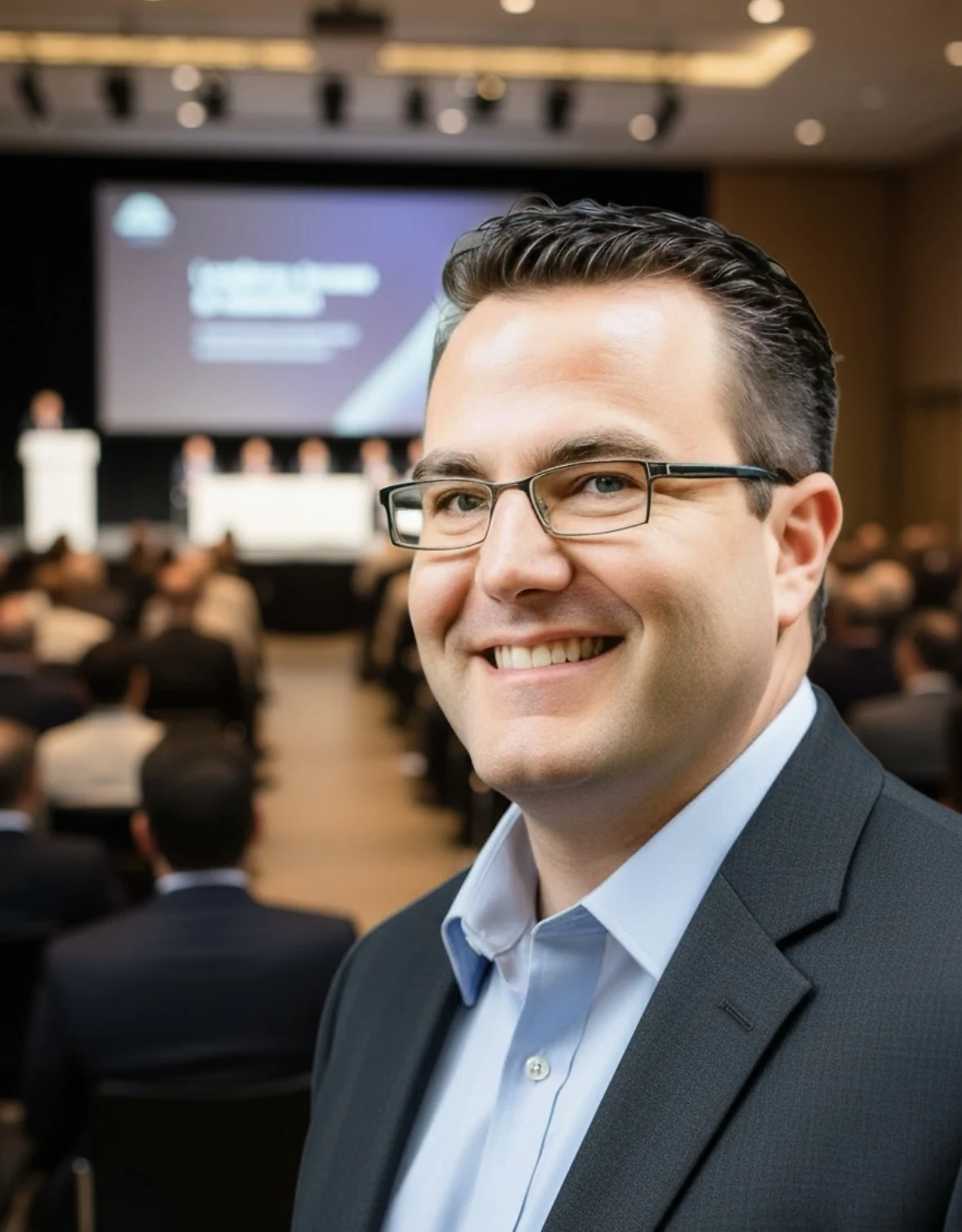
Jon Lakefish
Jon Lakefish is an AI keynote speaker and workshop facilitator. He has delivered 150+ engagements across North America and helps leaders and teams turn AI into practical, immediately useful work.
Get practical AI updates by email
Join Jon's monthly update for useful AI tools, real workshop lessons, and business ideas you can put to work right away.